
In today’s fast-moving work environment, managing tasks clearly and efficiently is very important. This is where a Kanban board helps. Kanban boards are visual tools that show how work moves from start to finish. They are easy to understand, flexible to use, and suitable for teams of all sizes. Many Agile professionals learn Kanban concepts as part of their training at the Best Scrum Training Institute in India, such as HelloSM. Explore what a Kanban board is, why it is useful, and shares simple Kanban board examples that you can use for your team or personal work.
What is a Kanban Board?
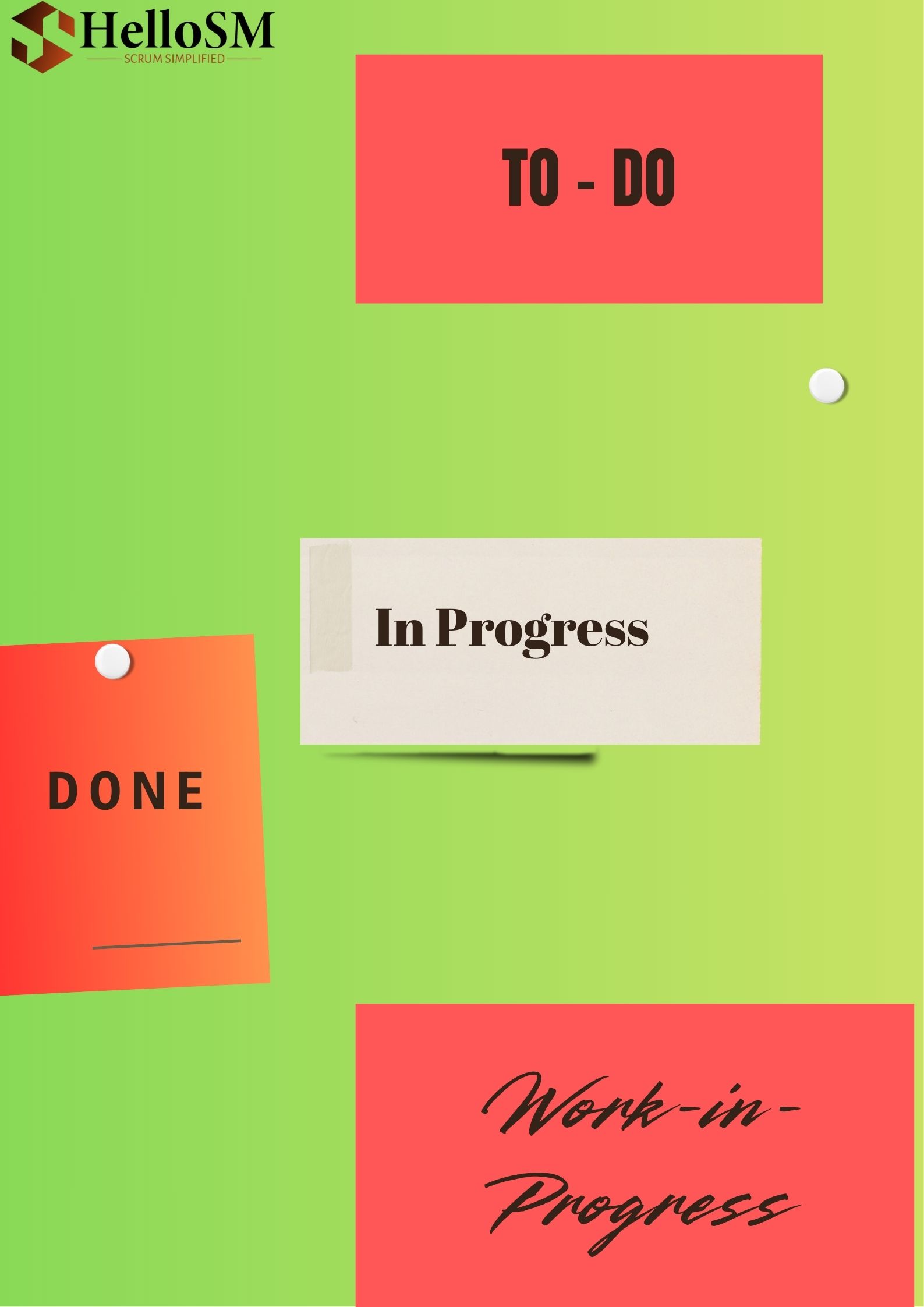
A Kanban board is a visual project management tool that helps teams track tasks and progress. It shows work as cards that move across columns representing different stages of work. The most common columns are:
- To Do
- In Progress
- Done
Each card represents a task. As work moves forward, the card moves from one column to another. This makes it easy for everyone to see what is being worked on and what is completed.
Why Are Kanban Boards Important?
Kanban boards are important because they bring clarity to work. Instead of long meetings or reports, the board itself shows the status of tasks. Key benefits include:
- Clear visibility of work
- Better team collaboration
- Faster identification of delays
- Improved focus and productivity
- Easy handling of changing priorities
Because of these benefits, Kanban is widely used in Agile teams, IT support, product management, and even personal task planning.
How Does the Kanban System Work?
Kanban works by limiting work in progress and focusing on continuous flow. Here’s how it functions:
- Work items are added as cards in the “To Do” column.
- Team members pick tasks and move them to “In Progress.”
- Once completed, tasks move to “Done.”
- Teams set WIP (Work-in-Progress) limits to avoid overload.
- Bottlenecks are identified visually and fixed early.
This simple system helps teams deliver work faster and with better quality.
Examples of Kanban Boards
1. Basic Kanban Board
This is the simplest Kanban board with three columns: To Do, In Progress, and Done. It is perfect for beginners and small teams. It gives a quick overview of work status and helps teams stay organized.
2. Advanced Kanban Board
An advanced board includes more stages such as Backlog, Analysis, Testing, Review, and Deploy. It is useful for software development teams where work passes through multiple steps.
3. Kanban Board for IT Support
IT support teams use Kanban boards with columns like New Requests, In Progress, Testing, Resolved, and Closed. This helps track customer issues and ensure faster resolution.
4. Kanban Board for Product Management
Product teams use columns like Backlog, Design, Development, Testing, Release, and Done. This helps product managers track feature development and releases clearly.
5. Personal Kanban Board
A personal Kanban board helps individuals manage daily tasks and goals. Simple columns like To Do, Doing, and Done can increase focus and productivity.
Physical vs Digital Kanban Boards
Physical Kanban boards use sticky notes on a whiteboard. They are useful for small, co-located teams.
Digital Kanban boards use tools like Jira or Trello. They allow remote access, automation, reporting, and collaboration across locations. Most Agile teams today prefer digital boards, especially those trained at HelloSM, a Best Scrum Training Institute in India.
Why is Kanban So Popular?
Kanban is popular because it is:
- Easy to understand
- Simple to implement
- Highly visual
- Flexible for any industry
- Supportive of continuous improvement
Kanban does not force strict rules. Teams can start small and improve gradually, making it ideal for beginners and experienced professionals alike. Kanban boards are powerful tools for visualizing work and improving productivity. Whether you are managing a project, supporting customers, developing software, or organizing personal tasks, Kanban helps you stay focused and organized. Start with a basic board and improve it as your team grows. To fully understand Kanban and Agile practices, learning from experts at HelloSM, one of the Best Scrum Training Institutes in India, can help you apply these concepts confidently in real projects.
Frequently Asked Questions
1. What is a Kanban board?
A Kanban board is a visual tool used to manage and track tasks. It shows work stages using columns and cards, making progress easy to understand.
2. Who can use a Kanban board?
Anyone can use a Kanban board—software teams, IT support, marketers, managers, and even individuals for personal task management.
3. What are the basic columns in a Kanban board?
The basic columns are To Do, In Progress, and Done. More columns can be added based on the workflow.
4. What is the WIP limit in Kanban?
WIP (Work-in-Progress) limit restricts the number of tasks in a stage. It helps teams focus and avoid overload.
5. Where can I learn Kanban and Agile professionally?
You can learn Kanban and Agile from HelloSM, a Best Scrum Training Institute in India, which offers practical training and real-world examples.